Best Spa and Wellness Hotels in Kobe
Kobe's spa and wellness hotels lean on one advantage most Japanese cities cannot offer within city limits: Arima Onsen, a mineral hot-spring town in the hills roughly thirty to forty-five minutes from Sannomiya, sitting alongside harbourfront towers that keep their own spa and wellness centres downstairs. Guests choosing a spa-wellness hotel in Kobe split between two rhythms. Down at sea level, hotels around Meriken Park and Harborland pair an indoor pool or sauna with easy access to Kobe Port Tower and the Chinatown streets of Nankinmachi. Up in Arima, ryokan built around kaiseki dining and open-air baths trade the harbour view for mountain greenery and a slower pace, best reached by the Kobe Electric Railway or a direct shuttle from Sannomiya Station.
Spa & Wellness · Kobe in numbers
 Spa & Wellness
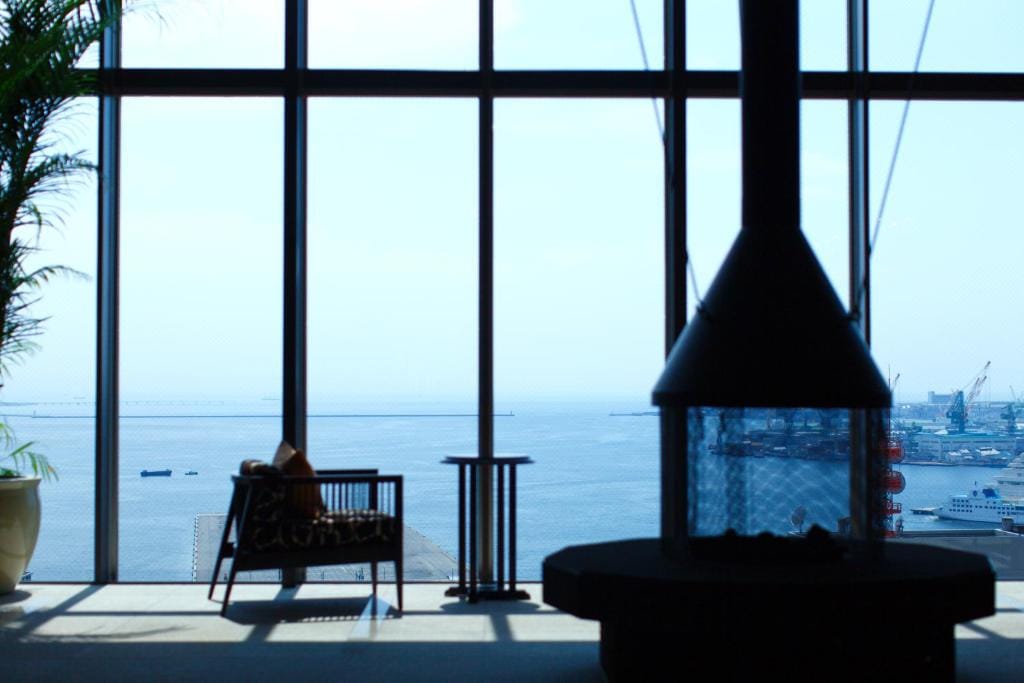
Hotel La Suite Kobe Harborland
 Spa & Wellness
The ORIENT
 Spa & Wellness
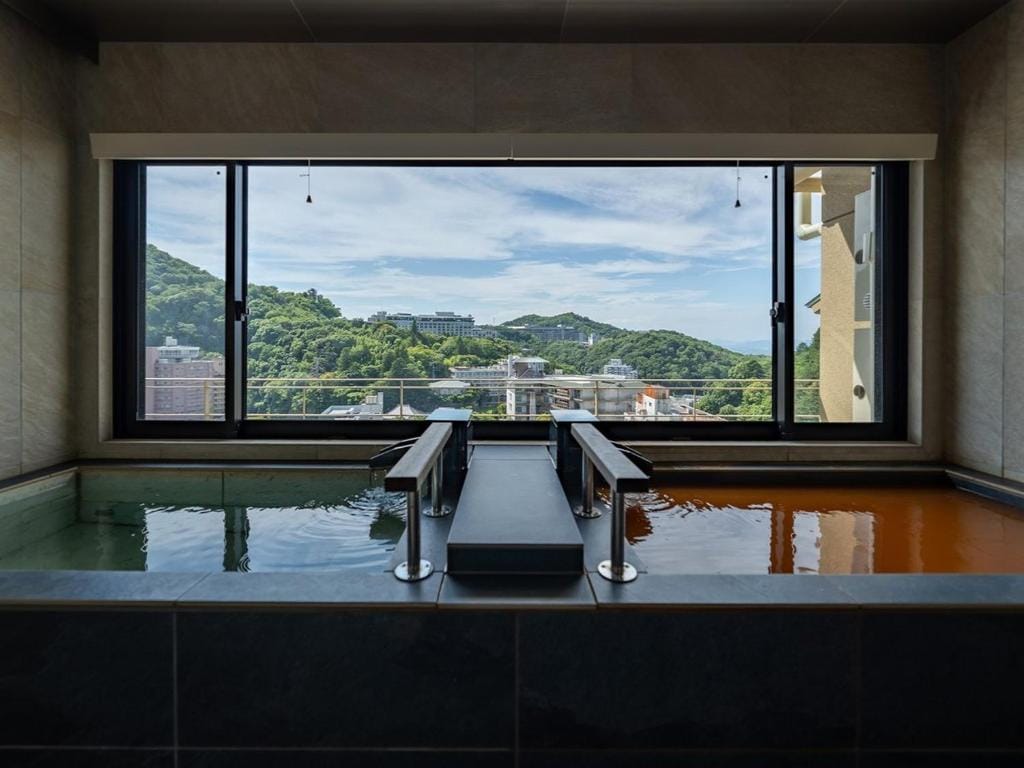
Arima Onsen Takayamaso Hanano
 Spa & Wellness
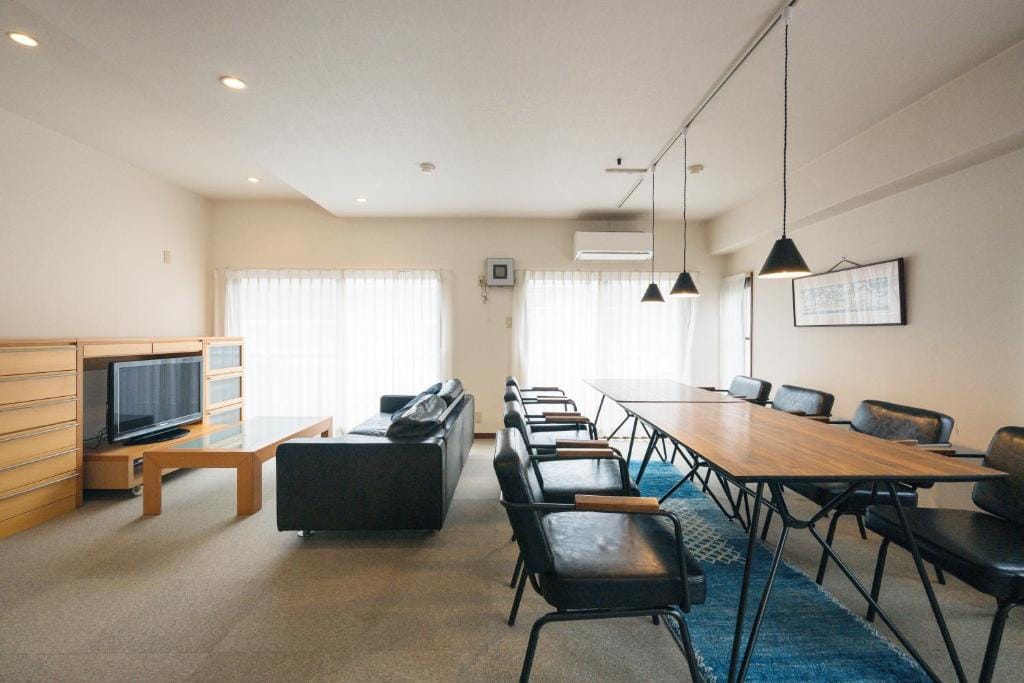
Tabiyu Abrigo
 Spa & Wellness
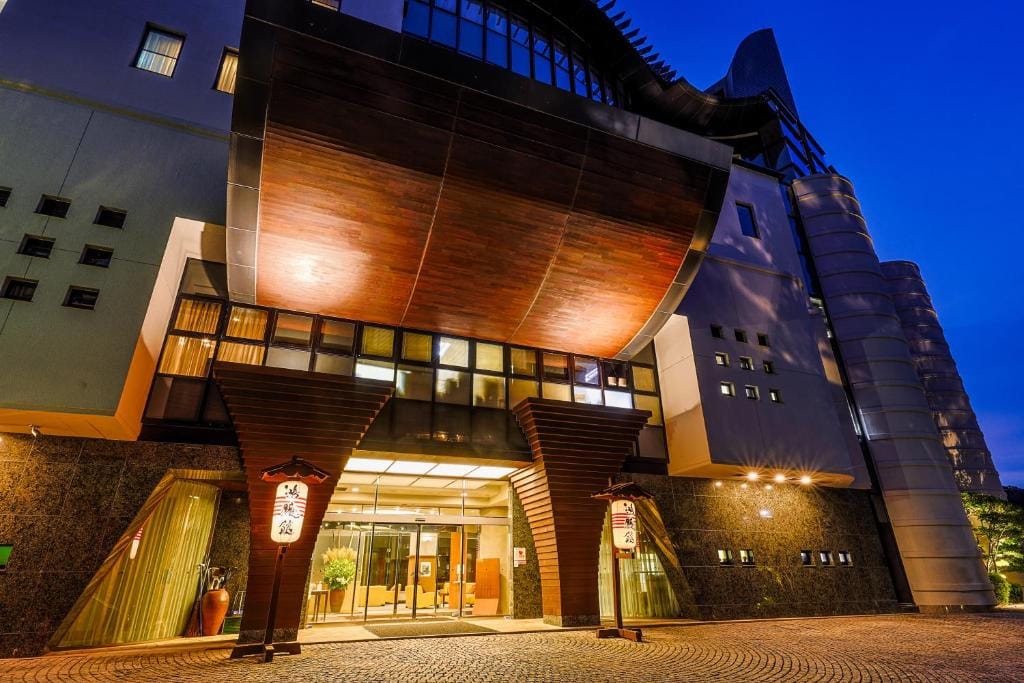
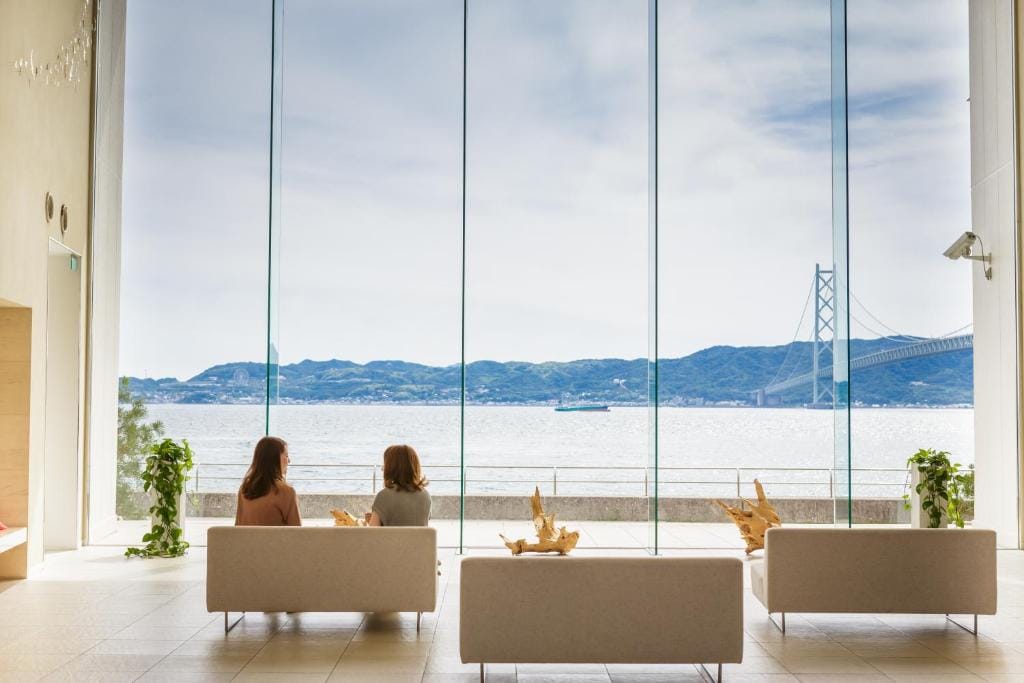
Arima Onsen Gekkoen Korokan
 Spa & Wellness
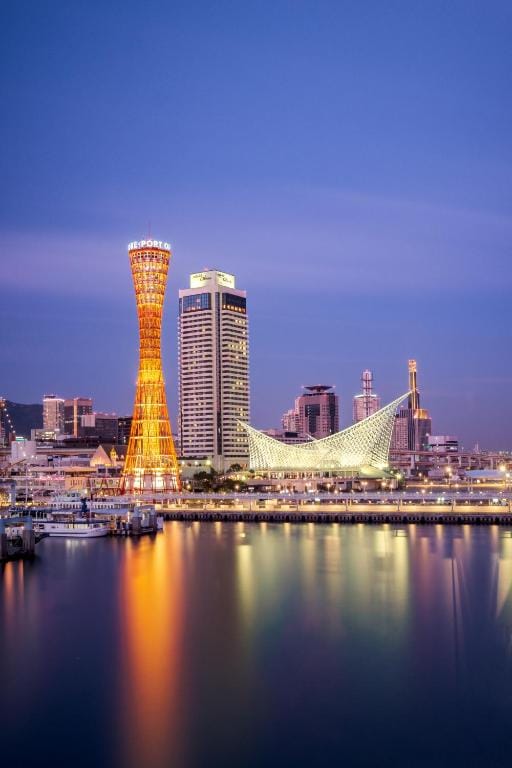
Hotel Setre Kobe Maiko
 Spa & Wellness
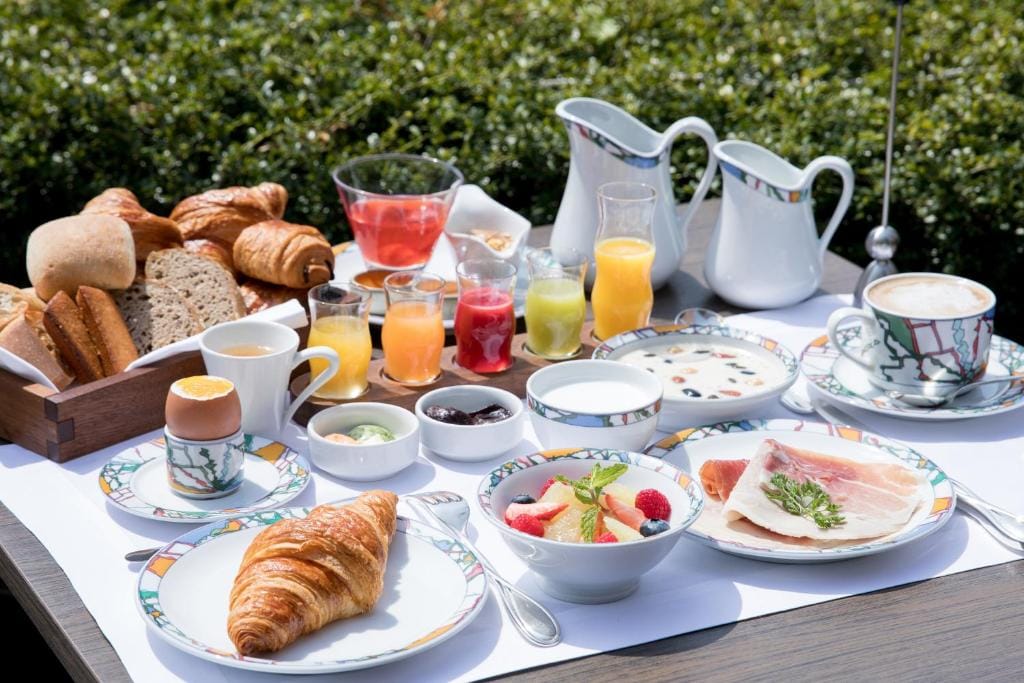
Hotel Okura Kobe
 Spa & Wellness
Kobe Kitano Hotel
 Spa & Wellness
Kobe Portopia Hotel
 Spa & Wellness
Kobe Meriken Park Oriental Hotel
 Spa & Wellness
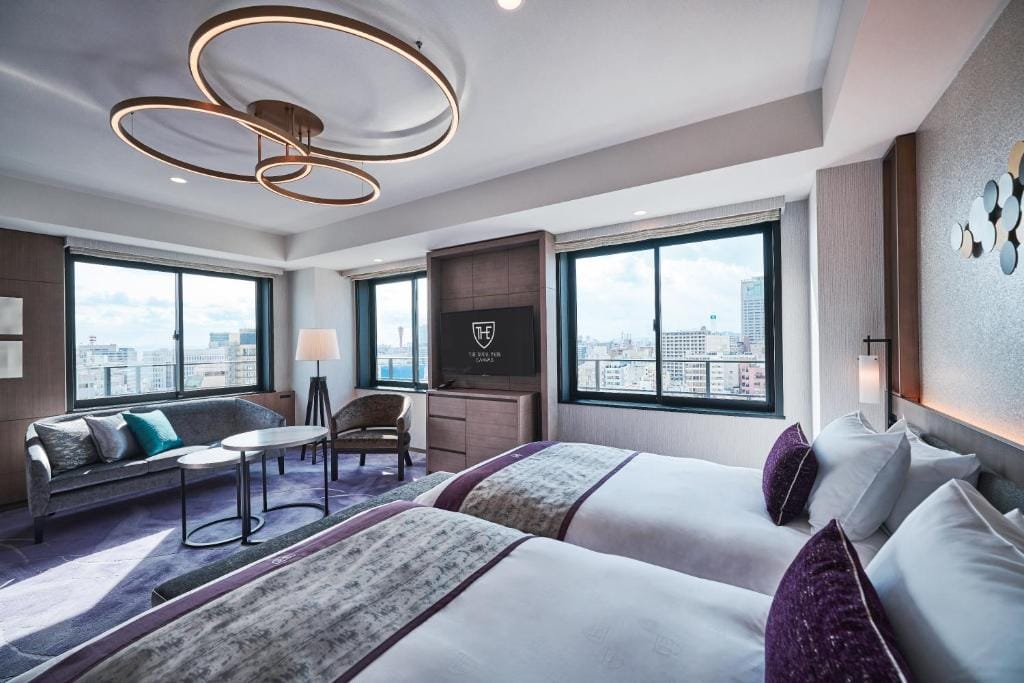
The Royal Park Canvas - Kobe Sannomiya
 Spa & Wellness
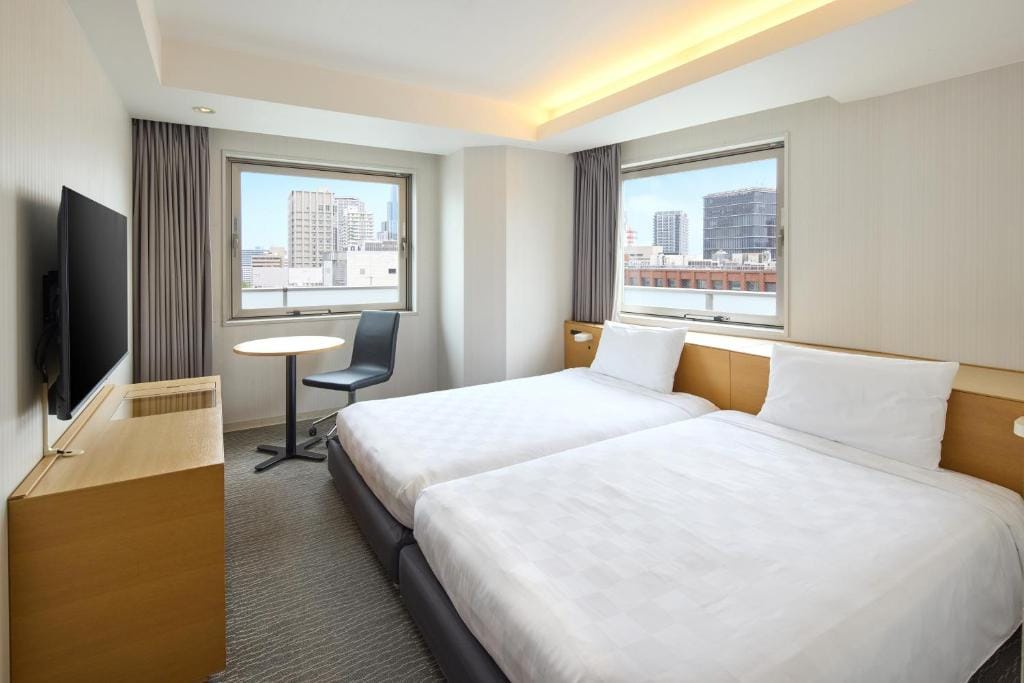
Kobe Motomachi Tokyu REI Hotel
 Spa & Wellness
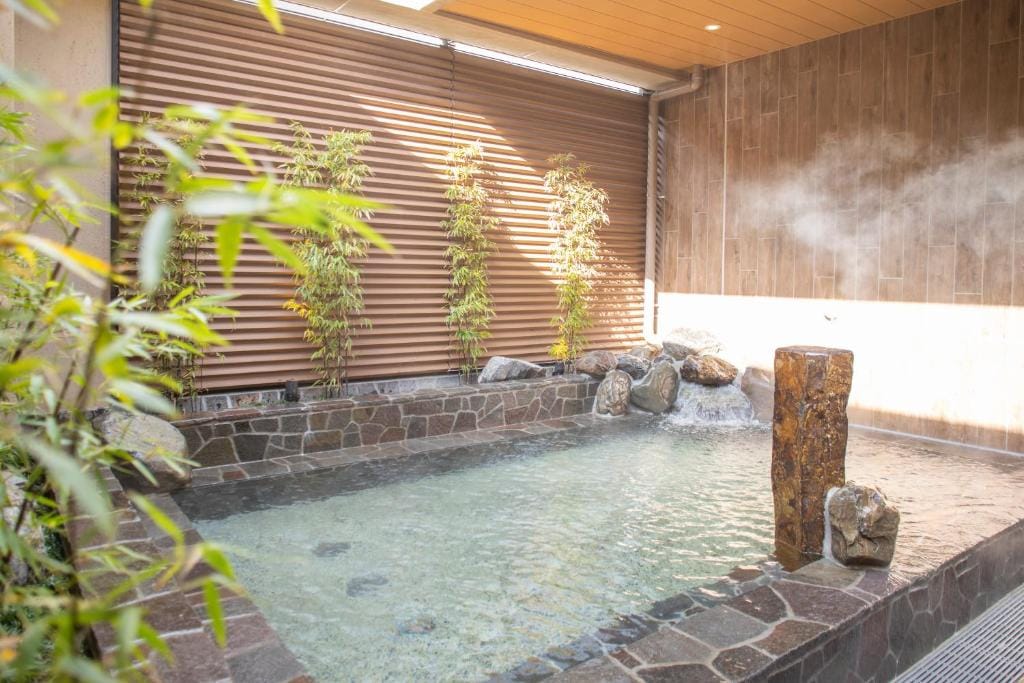
Dormy Inn Kobe Motomachi Natural Hot Springs
 Spa & Wellness
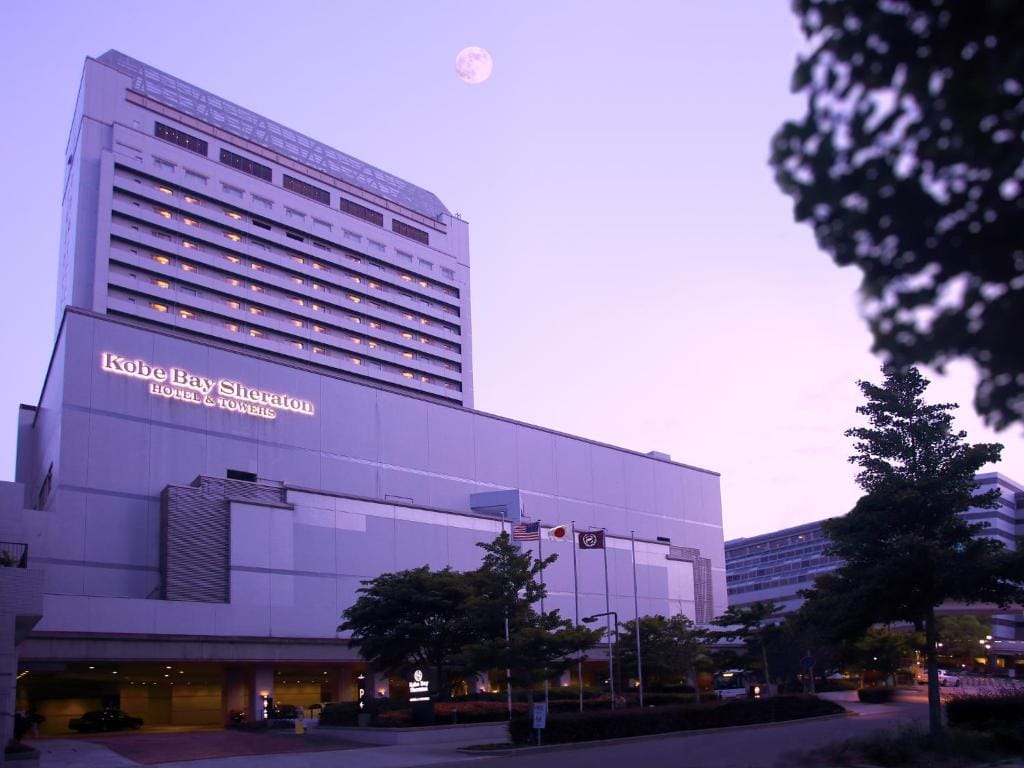
Kobe Bay Sheraton Hotel & Towers
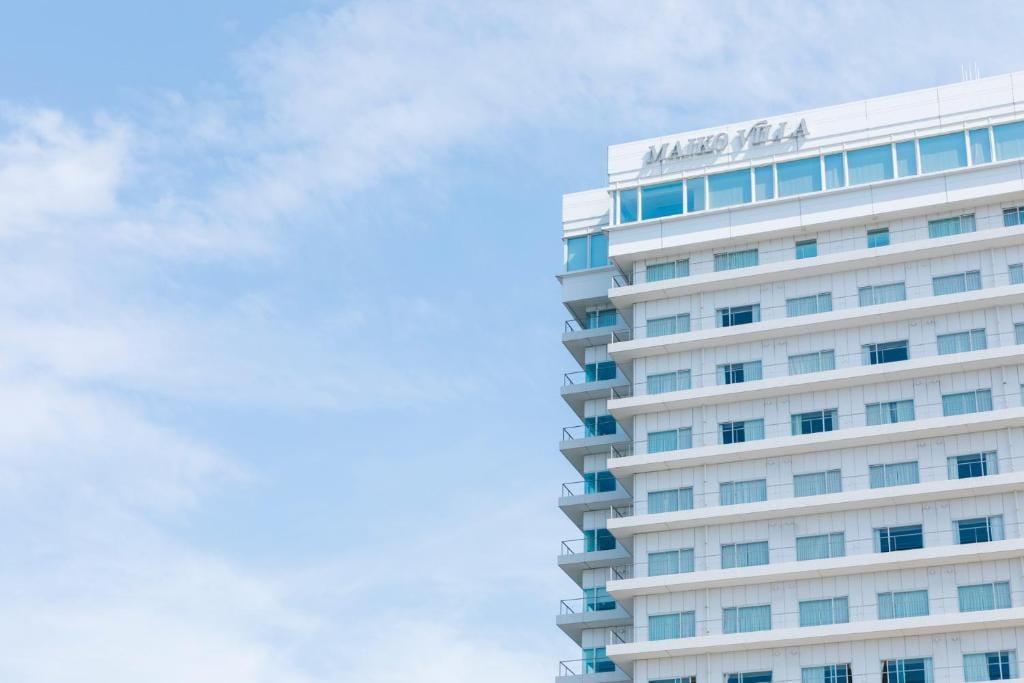 Spa & Wellness
Seaside Hotel Maiko Villa Kobe
 Spa & Wellness
Hotel Monterey Kobe
 Spa & Wellness
Comfort Hotel ERA Kobe Sannomiya
 Spa & Wellness
Kobe Seishin Oriental Hotel
Two Kinds of Kobe Wellness Stay
Arima Onsen is the reason a Kobe hotel search under spa-wellness turns up ryokan as well as city hotels. The hot-spring water here comes in two distinct types, an iron-rich reddish-brown kinsen and a clear, carbonated ginsen, and the older ryokan built their reputation on serving both in separate bathing halls. Arima Onsen Gekkoen Korokan runs nine hot-spring baths across its grounds and pairs them with kaiseki dinners of seasonal Japanese dishes, while Arima Onsen Takayamaso Hanano adds an adults-only policy and a garden view to its own open-air bath. Getting there from central Kobe takes roughly thirty to forty-five minutes by the Kobe Electric Railway or a direct bus from Sannomiya Station, short enough for a one-night detour.
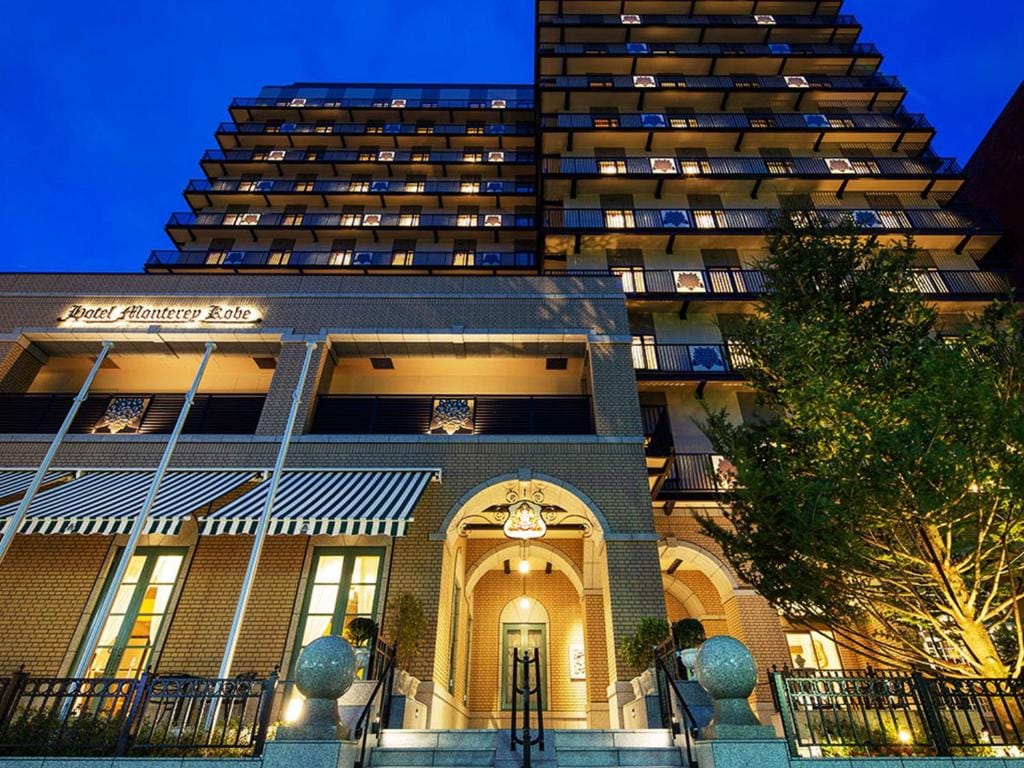
Closer to the harbour, spa-wellness in Kobe usually means a smaller in-house facility rather than a dedicated onsen. Dormy Inn Kobe Motomachi Natural Hot Springs pairs a natural hot-spring bath with a sauna in the city centre, a sixteen-minute walk from the Kobe Center for Overseas Migration and Cultural Interaction, while Hotel Monterey Kobe adds a sauna and public bath to its Italian-restaurant setting less than a kilometre from the same landmark. Kobe Bay Sheraton Hotel & Towers goes further with chargeable natural hot-spring baths on top of an all-year indoor pool and tennis court, a three-minute walk from Island Center Station on Rokko Island. Each works as a wind-down after sightseeing rather than the focus of the trip.
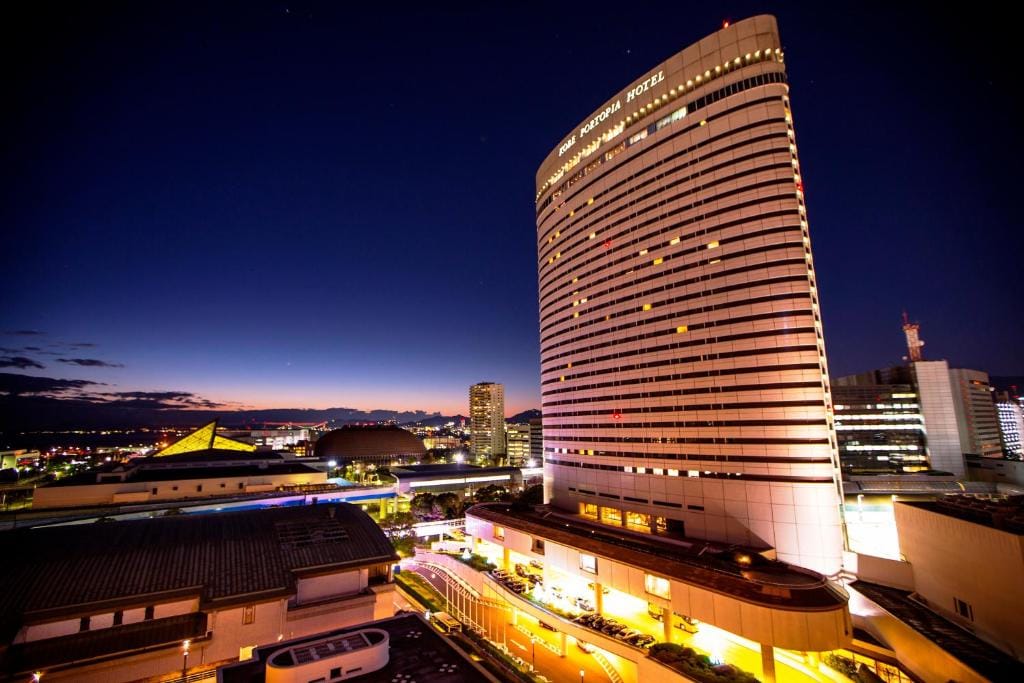
At the upper end, Kobe's five-star properties treat wellness as one part of a wider service list rather than a headline feature. Kobe Portopia Hotel spreads twelve restaurants, an indoor pool, a fitness centre and a tennis court across its Port Island site, a five-minute walk from Shimin Hiroba Station, while Hotel Okura Kobe pairs a fitness centre, indoor pool and seasonal outdoor pool with a waterfront position five hundred metres from the Motomachi shopping streets. Hotel La Suite Kobe Harborland goes smaller and more intimate, with spa baths built into the rooms themselves and a rooftop terrace over the harbour, and The ORIENT adds an on-site beauty salon inside the historic Kyu-Kyoryuchi district. None of them positions the spa as the reason to book, but all of them make it easy to end the day there.
Choosing between a city-centre spa hotel and an Arima ryokan in Kobe comes down to how much of the trip is meant to revolve around the water. A harbourfront room with an indoor pool suits a stay built around Meriken Park, Nankinmachi and Kobe Port Tower, with the hot spring as an evening extra rather than the plan. An Arima Onsen ryokan flips that order, built around the bathing schedule and the kaiseki dinner, with the city itself becoming the day trip instead of the base. Both sit within about forty minutes of each other by train, so combining one night in each is realistic for a longer stay.
Kobe reads as two cities stacked on top of each other. At street level it is a harbour town shaped by its nineteenth-century foreign settlement, still visible in Kitano's Western-style houses and the Chinatown grid of Nankinmachi, with Sannomiya as the busy transit spine tying it together. A drive into the hills, Arima Onsen keeps a completely different pace: narrow streets built around bathhouses, some tracing their history back over a thousand years, where the evening ritual is a slow soak rather than a bar crawl. Both belong to the same city, and a spa-wellness stay can lean toward either.